
Biogas in Agriculture: A renewable path to energy and soil health
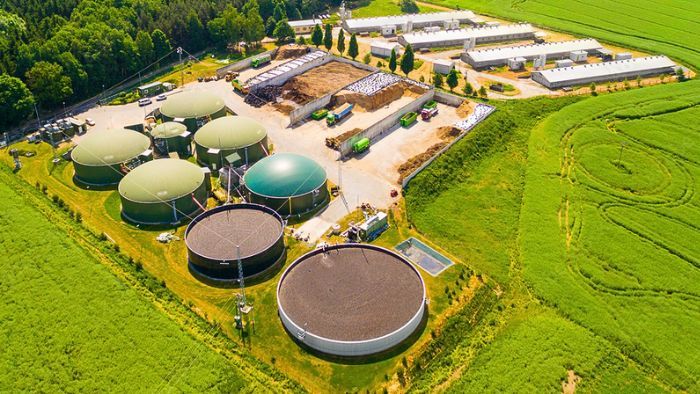
As the demand for renewable energy sources grows, biogas is emerging as a practical and sustainable solution for the agricultural sector. By converting organic waste into energy, biogas not only reduces environmental impact but also generates valuable by-products that support soil fertility and the circular economy.
In this article, we explore how biogas production works in farming environments, and how the right pumping technology plays a crucial role in turning waste into power.
What is biogas and how is it produced?
Biogas is a type of biofuel produced through the anaerobic digestion of organic materials such as manure, slurry, and agricultural waste. This process occurs in oxygen-free environments and generates a mixture of methane (CH4) and carbon dioxide (CO2).
The feedstock, organic waste from livestock, crops, or food by-products, is broken down by bacteria inside a digester tank. The result is:
- Biogas: which can be used to generate electricity, heat, or fuel for vehicles.
- Digestate: a nutrient-rich residue that can be used as organic fertiliser.
Benefits of biogas in agriculture
Energy Independence
Farms equipped with biogas systems can become more energy-independent by producing electricity and heat on-site. This reduces reliance on fossil fuels and stabilises energy costs.
Waste Management and Fertilisation
Biogas systems provide an efficient way to manage animal waste and crop residues. The resulting digestate can be used to improve soil health, reducing the need for chemical fertilisers and closing the nutrient loop.
Environmental Sustainability
Unlike fossil fuels, biogas production emits low levels of greenhouse gases. It also reduces pollution by processing organic waste that would otherwise decompose uncontrolled in the environment.
Why pumping technology matters in biogas plants
Handling organic waste and slurry in a biogas plant is no easy task. These materials are often highly viscous, fibrous, or abrasive. This is where the choice of pump becomes critical.
Progressive Cavity Pumps: Reliable pumping for biogas applications
Progressive cavity pumps, also known as positive displacement pumps and commonly referred to as screw pumps, are ideally suited for biogas applications. They can handle thick, heterogeneous materials with minimal shear and consistent flow.
At Kronoa, our progressive cavity pumps are:
- Custom-designed for the type of material and flow rate required.
- Built with robust components to handle abrasive and fibrous media.
- Engineered for low maintenance and long service life.
These features make them a trusted solution for feeding digesters, transferring slurry, and handling digestate in agricultural biogas plants.
Choosing the right equipment for sustainable farming
Whether you’re planning a new biogas installation or upgrading an existing one, choosing the right pumping technology will directly impact efficiency and uptime. Kronoa pumps are designed and manufactured in Europe, with short delivery times and a strong service network to support agricultural operations.
Interested in making biogas work for your farm? Contact us to explore the best solution for your setup.
Green future. Green heart. Think green.

Progressive Cavity Pump Installation, Service & Lifecycle Support: Why Kronoa is more than a pump supplier
Progressive Cavity Pump Installation, Service & Lifecycle Support: Why Kronoa
Progressive Cavity Pump Design for abrasive and high-solids fluids: engineering reliability into every component
Progressive Cavity Pump Design for abrasive and high-solids fluids: engineering
Wastewater infrastructure resilience: Redefining sludge handling in Northern Europe
Wastewater infrastructure resilience: Redefining sludge handling in Northern Europe Table