
Which one is better for my application? A progressive cavity pump or a centrifugal pump?

May 3, 2024

Knowing the benefits and drawbacks of each option will help you choose the ideal one for your application.

Prior to investing in industrial gear, it is advisable to have all the information sorted out and queries answered.

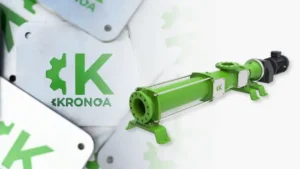
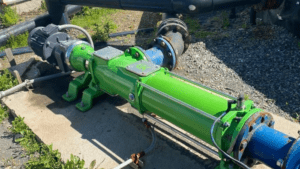
Suction pumps - kronoa s series - progressive cavity pumps

Type of fluid and flow rate

Since the progressive cavity pump can handle challenging fluids, it is frequently considered a backup when many other types fail. Viscose fluids and those containing particles, such as sewage, slurries, wastewater, and food waste, can be handled successfully thanks to its low internal velocity design. Furthermore, the flexibility of the stator helps to lessen the wear particles that are created when they come into contact.

On the other hand, where pumping low viscosity fluids, such as water or fluids containing less than 4 or 6% of dry matter, and where the application requires a fixed flow and consistent discharge pressure, a centrifugal pump is a perfect viable option.

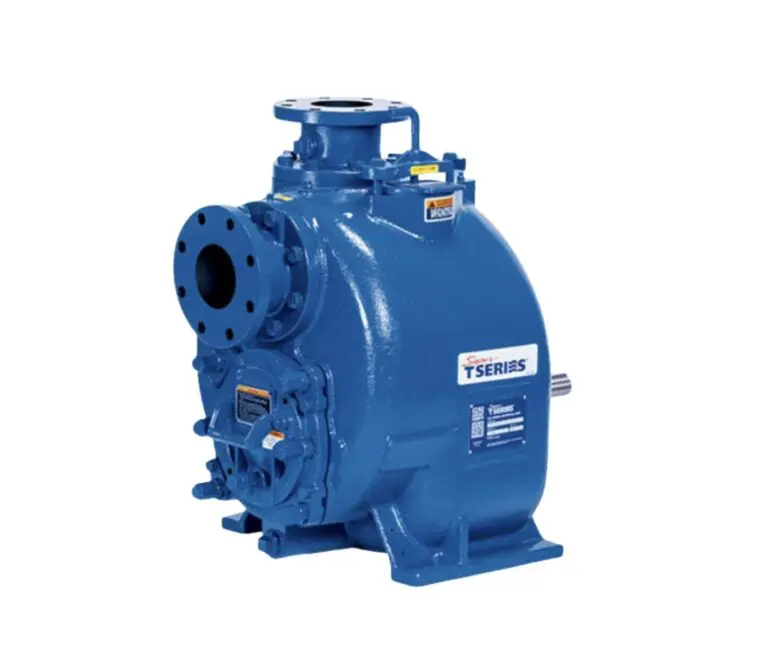
According to this, bear in mind the Gorman Rupp, a renowned world leader in centrifugal pumps, T series self-priming centrifugal pump, which can handle spherical solids up to 76mm in diameter and is constructed with materials that can deal with abrasive and/or corrosive fluids.

centrifugal pump

On the other hand, a progressive cavity pump is able to produce the same flow rate regardless of the viscosity of the medium being pumped. Therefore, eccentric screw pumps are an ideal solution for when a constant flow is required but the viscosity of the fluid may be variable.

So far, we can see that viscosity is one of the main factors to take into account before we decide which pump we are going to opt for.  And here at Kronoa we pay attention to every detail to make your application successful.

Fluid dosing applications

As a liquid’s viscosity increases, centrifugal pumps become more volumetrically inefficient, which reduces flow and increases power consumption.

Centrifugal pumps use a spinning impeller to deliver the motor’s kinetic energy to the liquid, and its pressure is entirely reliant on the flow. By rotating an impeller within the housing, fluid is drawn to the exterior of the centrifugal pump housing and the pressure inside is increased to the point where the fluid is forced out of the outlet. Various fluids will move at various speeds based on pressure when there is a variable flow rate.

The way that positive displacement pumps operate involves trapping a fixed volume of fluid and pushing it into the output pipe. A series of fixed-shaped cavities are created inside the stator as the rotor rotates. These holes extend the length of the stator and require the fluid inside to travel with the rotor as it turns.

Low RPM and shear operation

The progressive cavity pump causes less shearing to be applied to the pumped medium than other pump designs because of its low internal velocity. Because of this, it is perfect for handling shear-sensitive materials that must keep their structure while being pumped. Examples include culinary items like olives, adhesives that can become less sticky, and mixtures of water and oil that require the oil droplet sizes to remain constant for a separator to function as effectively as possible. 

Now that you’re familiar with the variances between a progressive cavity pump and a centrifugal pump, you’re equipped to make a more informed decision regarding which one to purchase for your specific application. Understanding these differences empowers you to select the optimal pump for your needs.

Green Future. Green Heart. Think Green.

Facebook
Twitter
LinkedIn